
written by ERICA DICK. July 30th, 2020
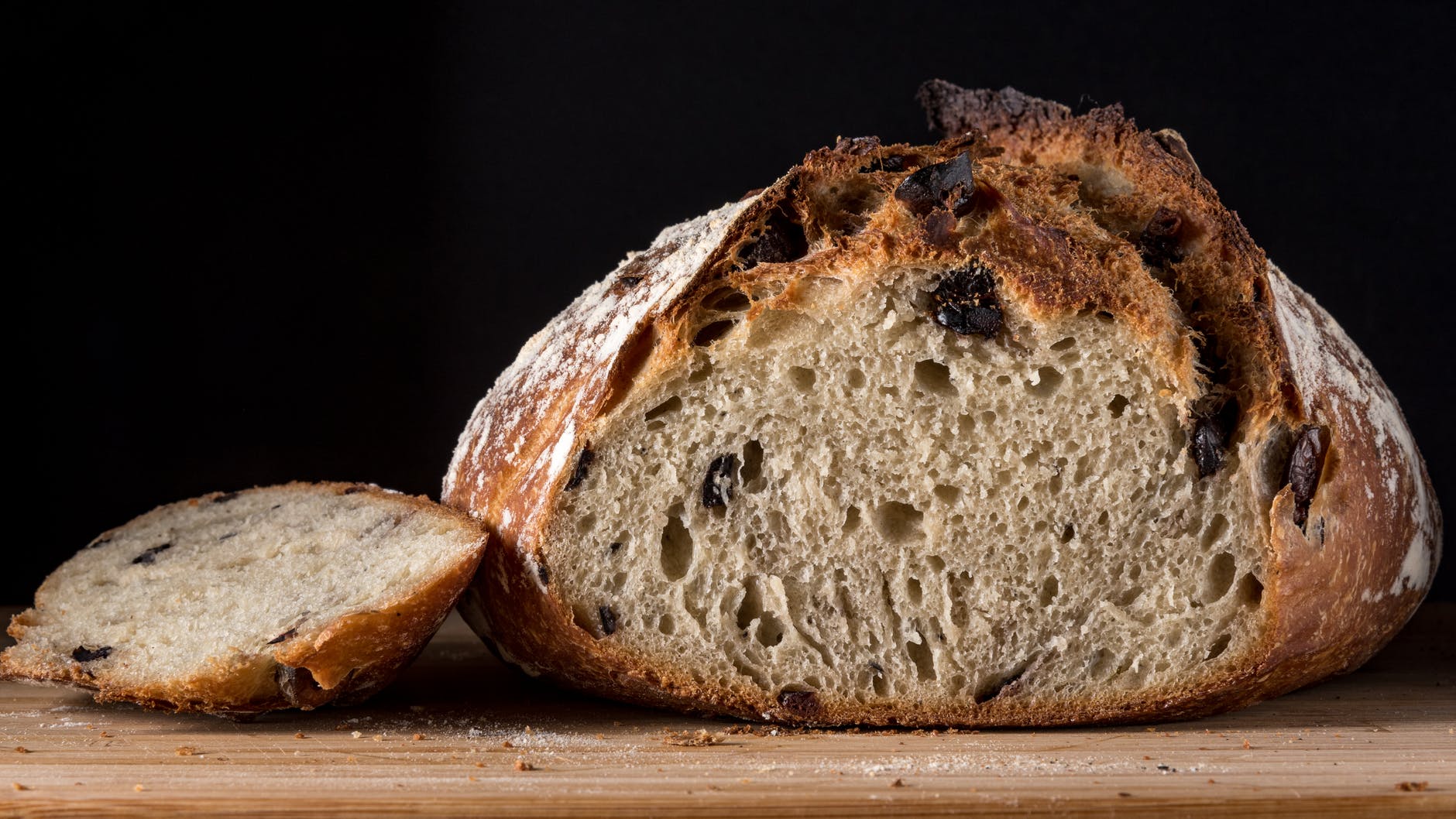
If you’re anything like me, the social isolation of quarantine is far from an inconvenience. I could spend hours cooped up in my room reading a book or listening to a finely curated compilation of podcasts (post to come soon!). But my absolute favorite way to waste time is in the kitchen experimenting with the most obscure recipes I can find. So when the Sourdough trend came along, I had no other option to jump on the bandwagon. Although it may sound daunting to newcomers, here is my simple guide to getting started with your own loaf.
Don’t overthink it.
As my mom once said “bread is forgiving.” At first I thought this was the weirdest phrase to ever leave her mouth. Once I started baking though, I realized she was completely right. It’s pretty hard to botch a loaf entirely so don’t let yourself get overwhelmed before starting.
Make your starter
Now onto the good stuff! In order to start your loaf you have to make what’s called a “starter.” What sets sourdough apart from regular bread is that instead of using traditional yeast to make it rise, you instead use this starter. I’ll spare the graphic details, but it’s essentially a concoction of flour and water that produces a type of living yeast that will make your bread sour, fluffy and oh so delicious. It sounds weird, but this living yeast is what makes sourdough a healthier bread than most as it is a fantastic source of probiotics, helping to feed your gut microbiome . I love this simple recipe from The Kitchn
Eliminate Waste
The one perceived downside of sourdough is that you have to discard half your starter to feed it. But if you like to be crafty and creative, this is actually an upside. I’ve used the discard to make pizza crust, biscuits and so many other delicious creations that have a little bit of that sourdough kick.
Make your bread
Once you’ve built up your starter for 3-5 days, you’re ready to make your first loaf! (If you’re unsure if your starter is ready, drop it in a cup of water. If it floats, it’s good to go). This process can take up to 24 hours so make sure you have a free day for all the folding required. The recipe usually begins by mixing the starter with some flour and water the night before. You can then wake up in the morning, start the recipe, and then leave it overnight in the fridge to rise. Once you get the basic recipe down, you can customize it with all types of flours and toppings. Some I’ve loved so far are multigrain and walnut and raisin.
Enjoy!
You can make a few batches and freeze or even send to friends. Even if your first loaf doesn’t come out as planned, don’t give up! Making homemade sourdough is fun, challenging and produces the most delicious bread you could ever imagine.
 whats-the-dish.com